By continuing your navigation on this website, you accept the use of cookies for statistical purposes.
Various
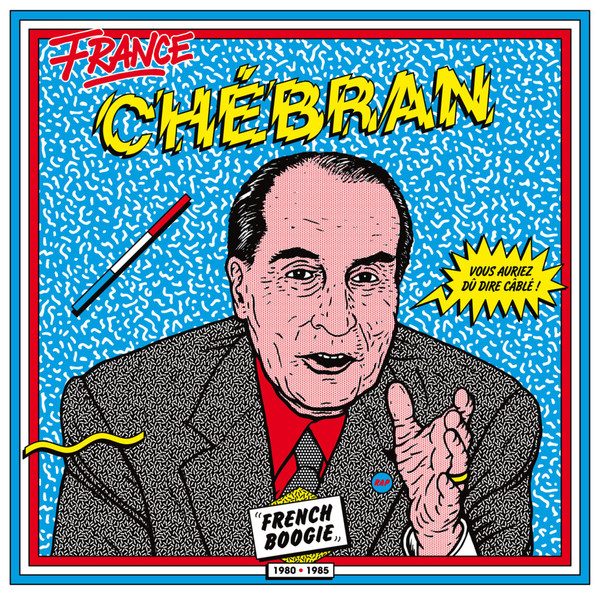
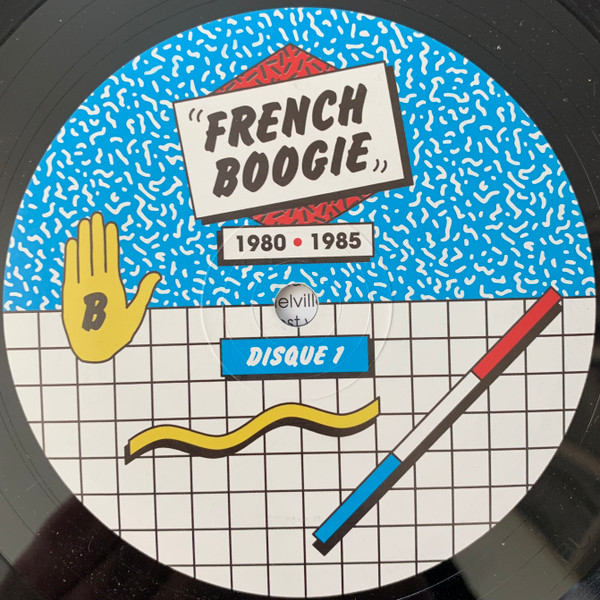
France Chébran - French Boogie 1980-1985
Born Bad Records (BB077)
Serendip (SERLP005)
2x Vinyl LP Compilation
Release date: Nov 12, 2015, France
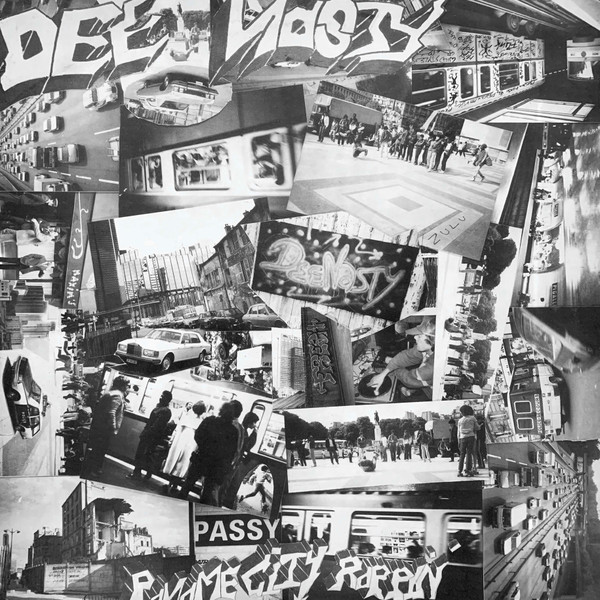
In the early '80s in France, the happy-go-lucky gathered the nectar of each and every new release. Believing in a bright future for videotex and loosened up by budding pirate radio stations, the new generation dreamt of dancefloors and holiday clubs. French Boogie, which preserves the spirit of these years of boodle and bunkum, is the ideal soundtrack to their dreams. What has come to be called "French boogie" is a form of synthetic funk reflecting the spirit of those days when everything seemed possible. In popular clubs such as La Main Bleue in Montreuil or L'Echappatoire in Clichy-sous-Bois -- where Micky Milan could be seen behind the decks -- an enthusiastic audience discovered this post-disco sonic wave, influenced as much by French pop as by The Sugarhill Gang or Kurtis Blow. In this myriad of new musicians, the very young François Feldman and Phil Barney pioneered a fresh musical hybrid. Other well-known artists like Gérard Blanc from Martin Circus (Attaché Case), Richard de Bordeaux (Ich), and Jean-Pierre Massiera (Anisette, Pirate Club, Mandrake, Groupe Scratch Man) added an eccentric touch. Singers like Agathe (the author of "La Fourmi" (included here) and of the hit song "Je ne veux pas rentrer chez moi seule") were far more than just window dressing, giving an ironic and subversive twist to this rather harmless genre. But by 1984, French boogie was already breathless, and merged with other genres; on the one hand, rap and breakdance adapted its flow to a more urban world, especially with Dee Nasty's broadcasts on Radio Nova, and on the other, Italo, new beat, and house began to rule dancefloors. Squeezed between the age of disco and that of modern electronic music, French boogie was a transitional phase, but it remains an amazingly refreshing testimony to the intermingling of pop and underground cultures. The genre was hastily categorized as anecdotal in spite of its pioneering synthetic groove and matchless basslines. An attentive ear will discover the poetry of the ephemeral beyond the eccentricities of the genre, as well as a certain unexpected avant-gardism. At the origin of major music trends, always cheerful and catchy, French boogie is what you need to party. Includes tracks from 1980-1985 by Interview, Krootchey, Gérard Vincent, Style, Pierre Edouard, Casino, Bianca, Trigo & Friends, Hugues Hamilton, Pascal Davoz, Anisette, Pilou, Henriette Coulouvrat, New Paradise, Ich, Attaché Case, and Yannick Chevalier.
A1
Interview - Salut Les Salauds
A2
Philippe Krootchey - Qu'Est-Ce Qu'Il A (D'Plus Que Moi Ce Négro-Là)
A3
Gérard Vincent - Gérard Vincent Par Gérard Vincent
A4
Style - Play Boy En Détresse
B1
Pierre-Edouard - À Mon Age Déjà Fatigué
B2
Casino - Pâté Impérial
B3
Bianca - La Fourmi
B4
Trigo And Friends - La Dégaine
B5
Hugues Hamilton - Je M'Laisse Aller
C1
Pascal Davoz - Cinéma
C2
Anisette - Scratch Au Standard
C3
Pilou - Ça Va
C4
Henriette Coulouvrat - Miam Miam Goody Goody
D1
New Paradise - Easy Life
D2
Gérard Vincent - T'as Qu'à Fermer Ta Gueule
D3
Ich - Ma Vie Dans Un Bocal
D4
Attaché-Case - Les Crabes
D5
Yannick Chevalier - Écoute Le Son Du Soleil